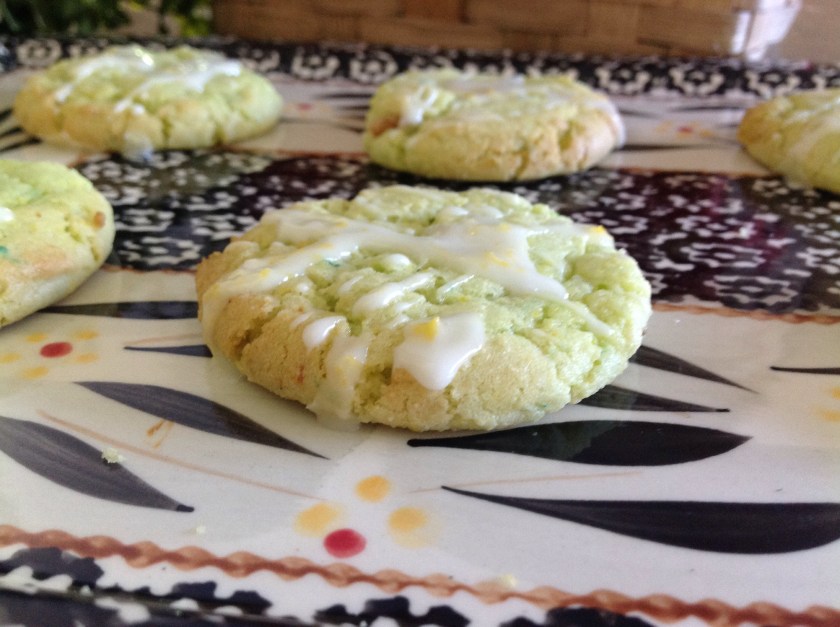
My daughter was recently invited to a surprise party for a co-worker. She had just started working at the facility and was excited to spend time outside of work with this fun group of coworkers. After the party, she commented that she had a great time and was so happy to be included.
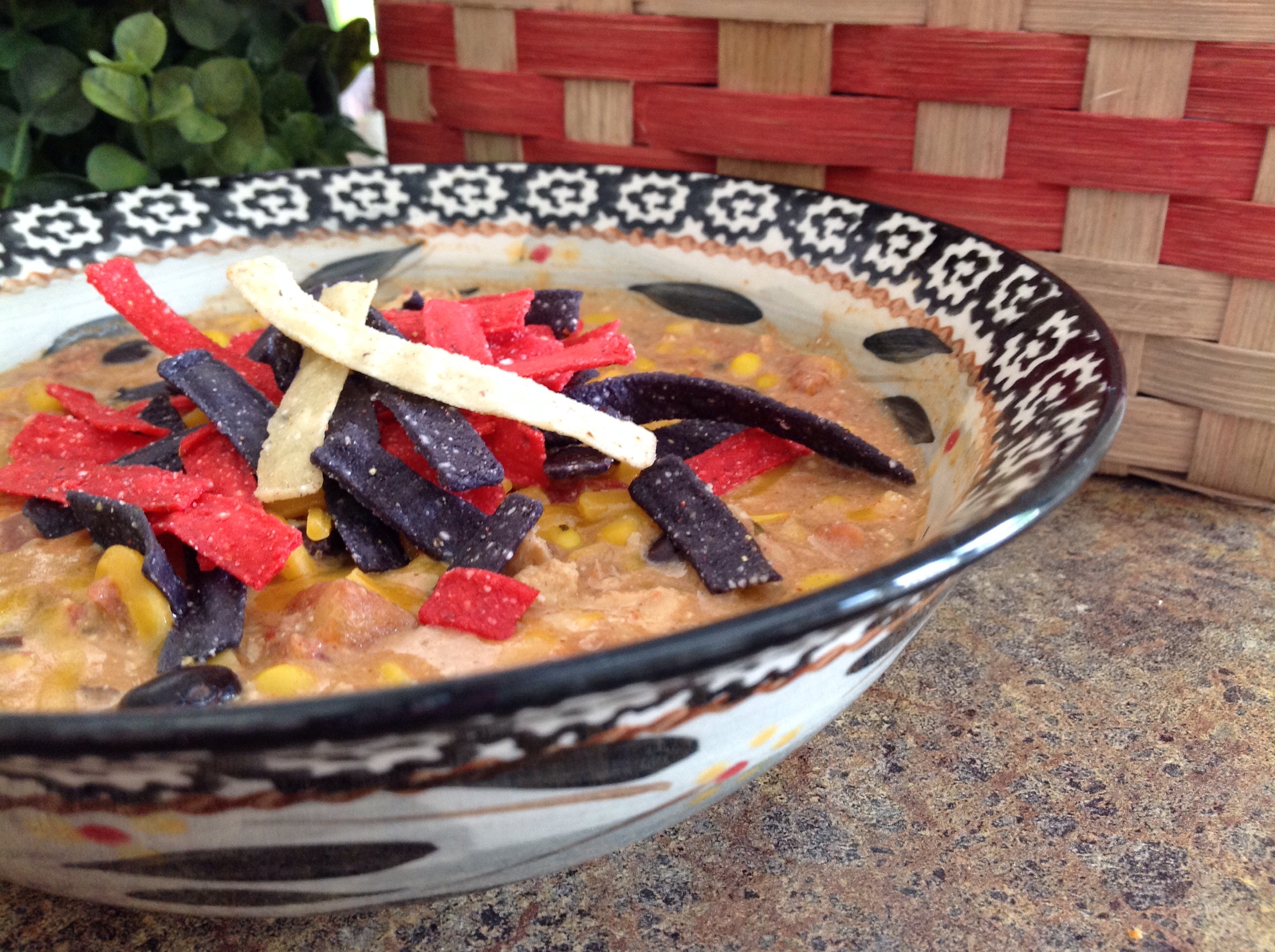
Later, she told me about one of the items on the menu for the event that evening. She called it “white chili” and tried her best to describe all of the flavors she experienced while tasting the flavorful dish. Several days later, I found the recipe as it was placed on my kitchen counter. Her coworker had neatly typed up the recipe for many attending the party had requested a copy. After looking over all of the ingredients, I was delighted to find that most items were already in my kitchen fridge and pantry. We were experiencing a cooler than normal spring day so I pulled out my crockpot and threw all of the ingredients in (with a few minor changes).
Here’s my version of the original recipe…
Fiesta Crockpot Chili
2-3 frozen chicken breasts
2 (10 ounce) bags frozen corn
1 (15 ounce) can black beans, rinsed
1 (10 ounce) can Rotel diced tomatoes with green chilies
1 (28 ounce) can diced tomatoes
8 ounces block cream cheese
1 tablespoon ground cumin
1 tablespoon smoked paprika
1 teaspoon onion powder
1 package Hidden Valley Spicy Ranch Dressing
Cilantro to taste
Add all ingredients to the crockpot; except cilantro. Cook 6 hours on high or 8 hours on low setting. Shred chicken 30 minutes before completed hours, return to crockpot and add cilantro. When serving, top with tortilla strips and pour over tender noodles or cooked rice.
Here’s the recipe as I received it…
Jill’s Special Chili
2 frozen chicken breasts
1 bag frozen corn
1 can black beans, rinsed
1 can Rotel diced tomatoes with green chilies
4 oz cream cheese
1 tablespoon ground cumin
1 tablespoon paprika
1 package Ranch Fiesta
Cilantro to taste
Add all ingredients to the crockpot; except cilantro
Cook 6 hours or high or 8 hours on low
Shred chicken 30 minutes before completed hours and add cilantro




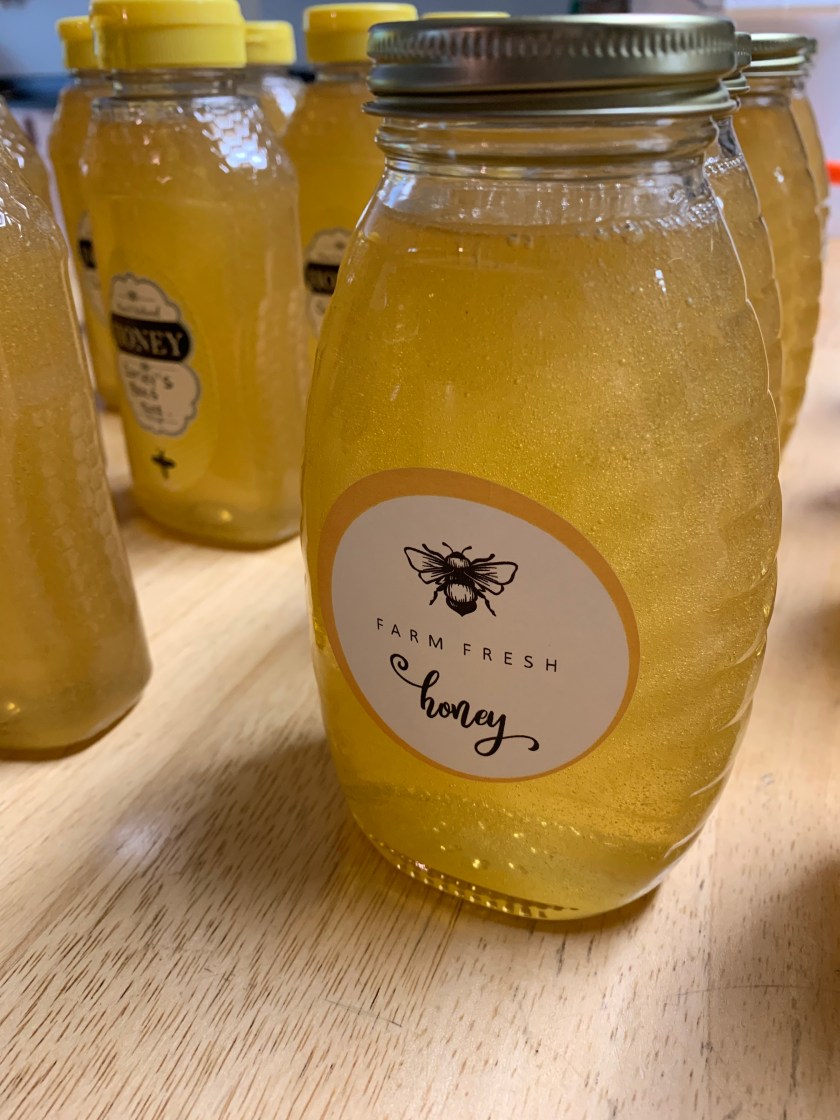
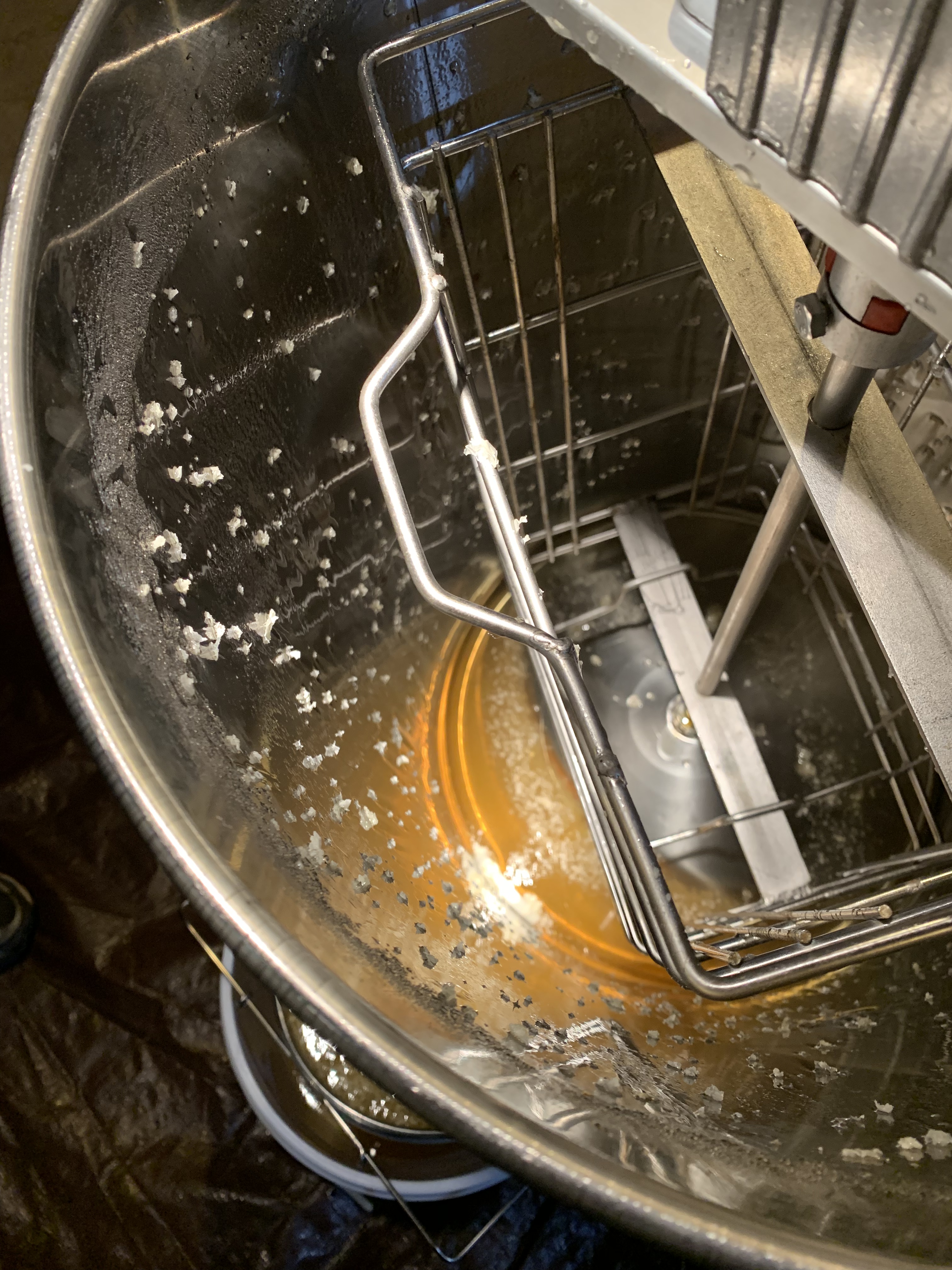
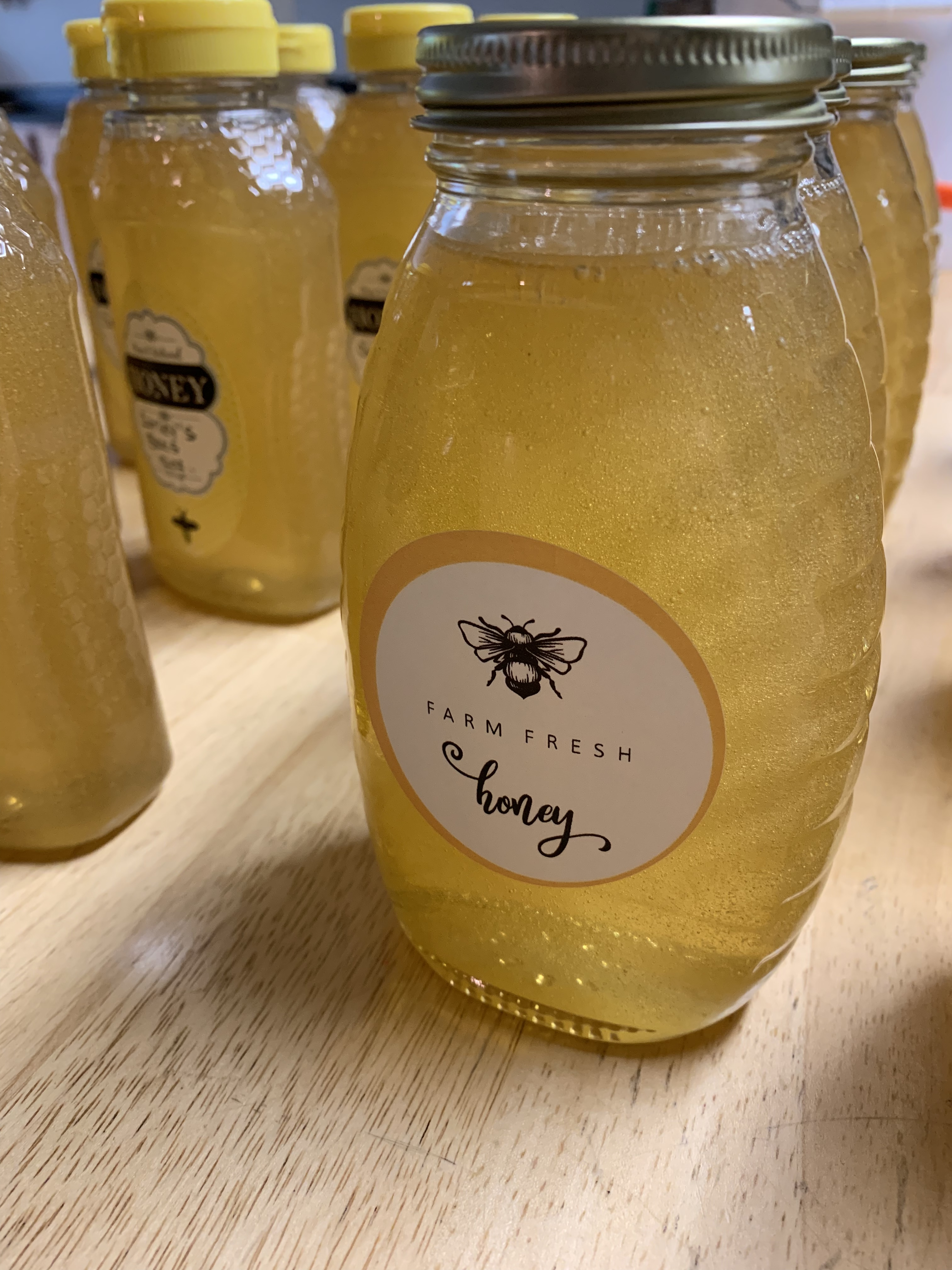 Today we had the pleasure of experiencing our first honey harvest. Our bees have been busy visiting fields of clover and Queen Anne’s Lace over the past several weeks. After watching hours of video focused on harvesting honey and rendering beeswax, we finally took a leap of faith and carefully extracted the liquid gold produced by our very own bees.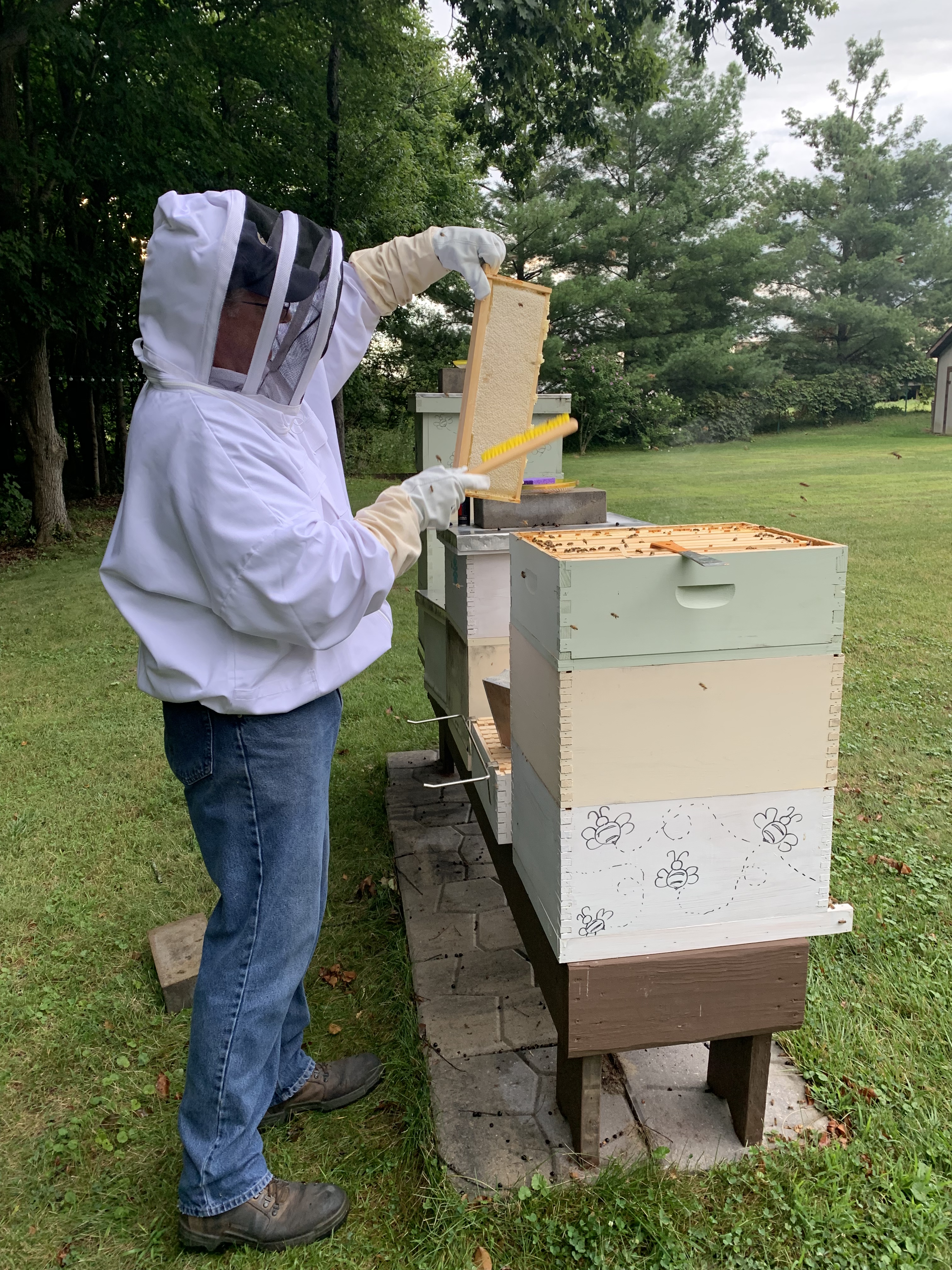



 l
l








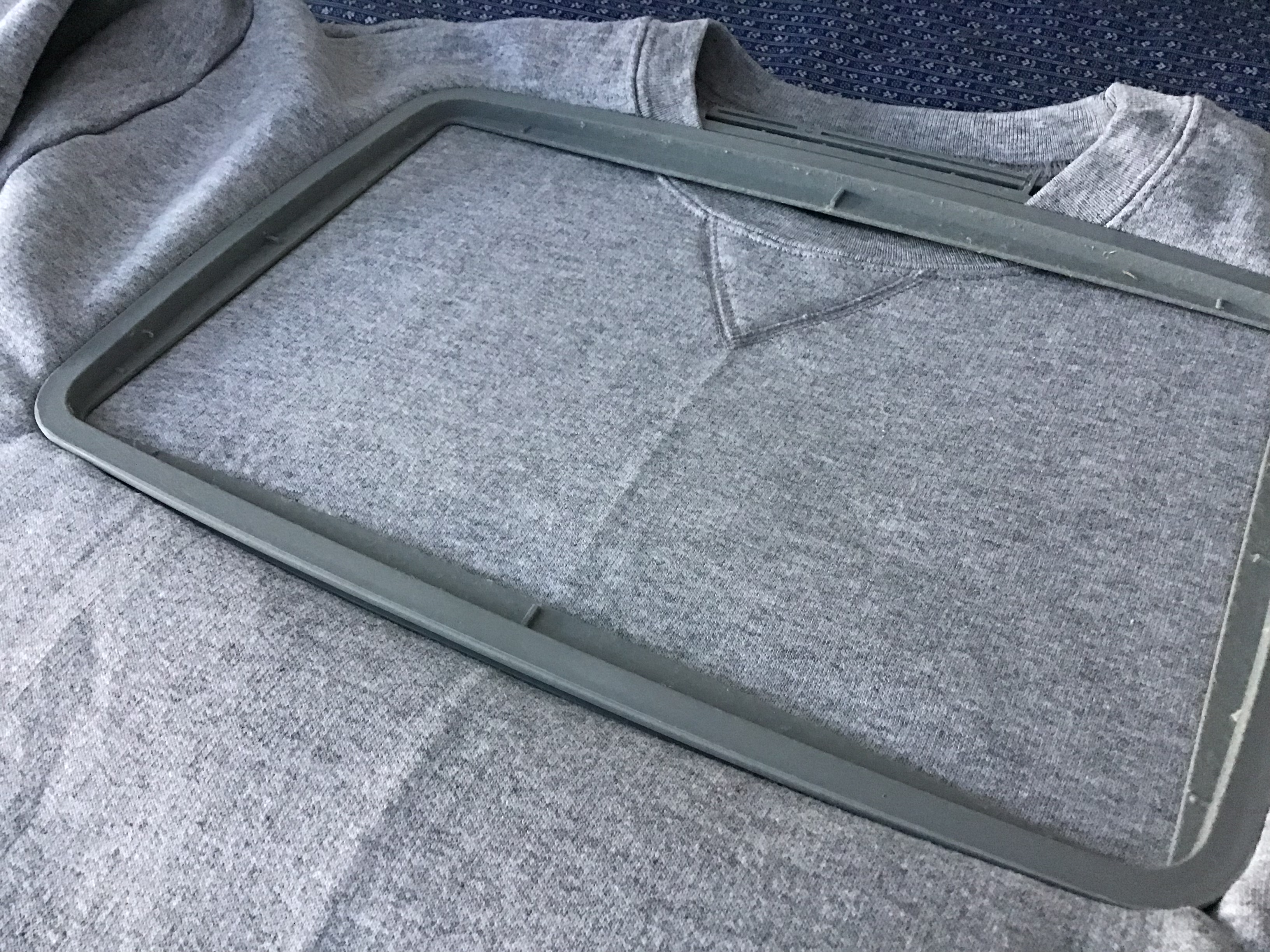
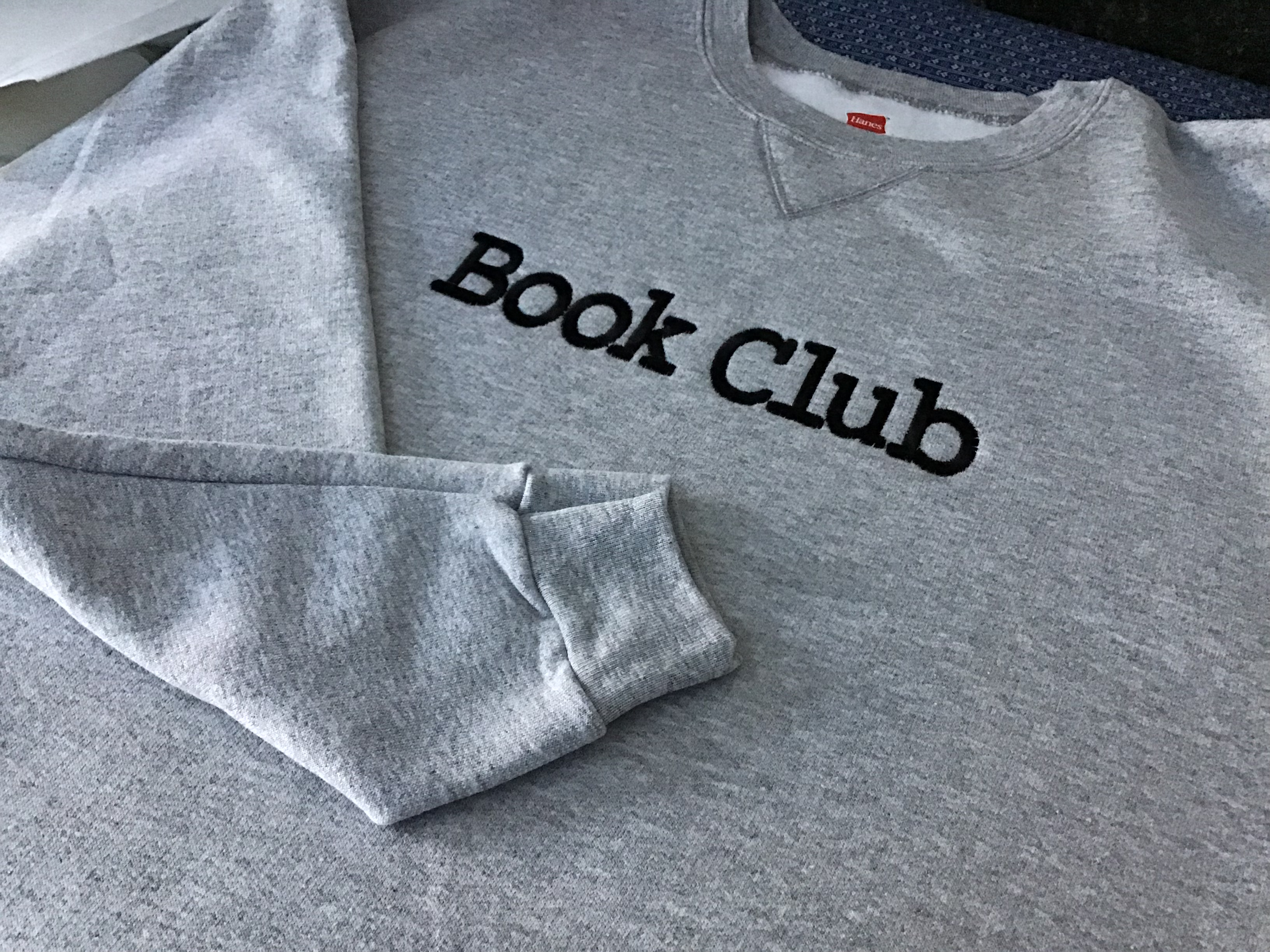
 My daughter had seen one of the famous Fixer Upper hosts wearing a sweatshirt with the words, “Book Club” screen printed onto the front of the garment. Being an avid reader, she immediately declared her desire to have a shirt like this for Christmas. After looking up the cost for said sweatshirt, I decided to make one of my own using my trusty embroidery machine. Carefully reviewing the garment, I quickly found a few heather colored sweatshirts at the discount store and identified a font that would work the the “Book Club” design. I didn’t care for the font used in the original design so I settled on a text style that looked just like one found when reading a book; a contemporary spin on Times New Roman. Here are the steps I used to embroider font or text onto the front of a basic medium-weight sweatshirt.






 Dividing the disk into 4 equal parts, place 23 spokes within the well of the disk; weaving while working in the spokes.


 After weaving 6 continuous rows, gently begin shaping the basket upwards. Continue weaving upward for 14 more rows; loosely weaving to shape the belly of the pumpkin.

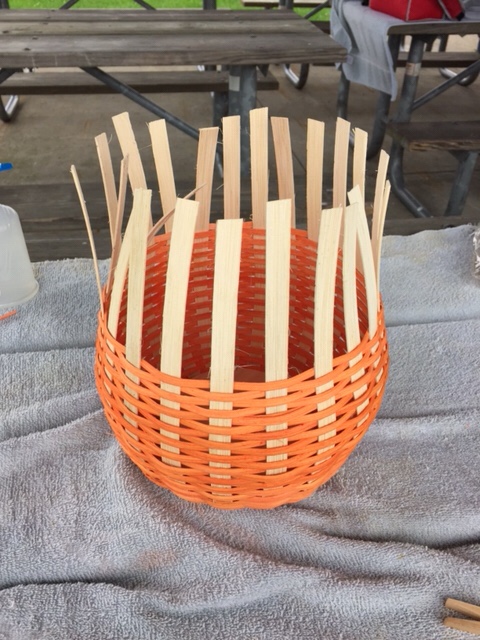 At row 19 or 20 begin to tighten the weave to form the top of the pumpkin.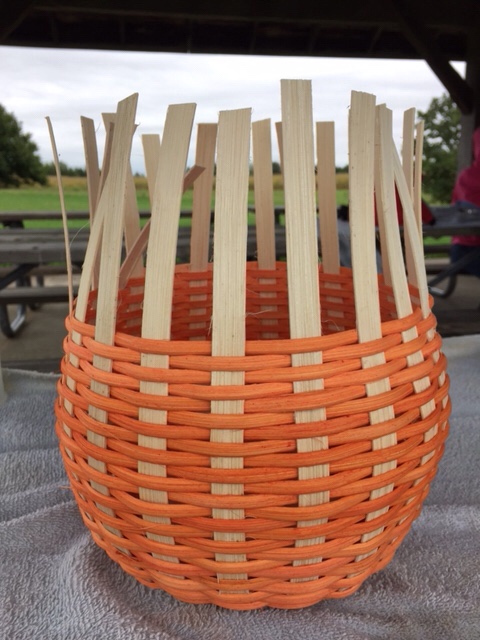
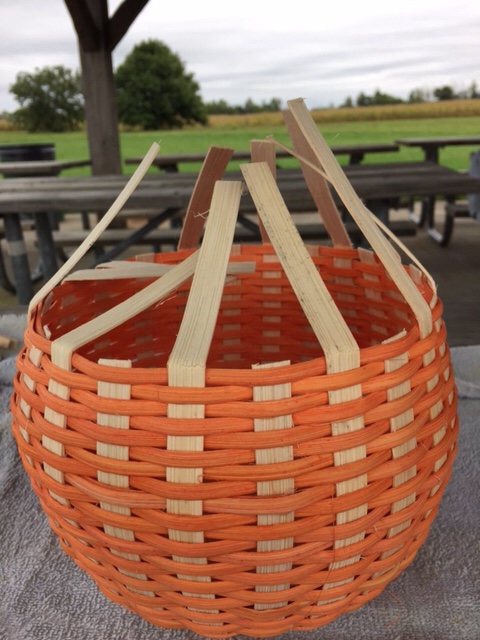 Bend down, every other spoke. Clip; mark remaining spokes to bend under and secure under weave.
 Secure wire handle before finishing rim of the basket.
 Complete basket rim with sea grass and lashing.

 We enjoyed a beautiful, but chilly, day at our local county park!